
Thai Cuisine and Sake Experience

at Mae Ping in Monzennakacho, TOKYO
Mae Ping is a small restaurant that feels like a slice of Thailand. Certified by the Thai Government, it offers authentic dishes approved by native Thais. On this special day, guests were treated to an exclusive menu tailored for Kubota sake.
Mae Ping can be found in Monzennakacho, an area appreciated by enthusiasts for its unique dining spots and clever bars. This small but popular spot has many repeat customers among Thai residents in Japan and Japanese who have lived in Thailand.


Kazuaki Aoyagi, the owner, who is also a licensed architect, founded this restaurant to capture the authentic taste of Thailand. The Thai chefs and staffs, along with the decor featuring photos of the Thai king and traditional crafts, create a genuine and casual ambiance.
They have developed a menu that focuses on Bangkok cuisine while incorporating Northern Thai dishes. The flavors are kept authentic without substantial changes for the Japanese market, and spicy dishes are available.


Notably, Mae Ping is strongly committed to herbs, which are essential to Thai cuisine.
"In Japan, it is challenging to get fresh herbs, such as holy basil for green curry, etc. We source them fresh from contract farmers to guarantee their freshness," says Aoyagi.
Koichiro Sato, a sake expert who has lived in Thailand for 5 years, adds:
"I personally visit Mae Ping a lot. The menu is what Thai people usually eat and it feels very nostalgic to me. In other words, I would say the authentic taste of well-presented food from a hotel restaurant, not street food at a food stall.


In particular, Thai food is sweet, spicy, and sour. Plus, the use of fresh herbs like lemongrass and mint creates a burst of aroma. Kubota offers a versatile range of sake, from sweet to crisp and sparkling, making it easy to pair.
Kubota’s distinctive feature is its clean and clear profile. Slightly sweet and clear varieties pair exceptionally well with herbs. For spicy dishes, a fruity sake like KUBOTA JUNMAI DAIGINJO is ideal. When it comes to dishes with animal proteins, something with a robust body like KUBOTA HEKIJYU works well. This flexibility allows for fine-tuning the pairings."


Guests from the Philippines who regularly drink sake said, "The food was great. It paired perfectly with the sake." A wine enthusiast from England commented, "I always thought the delicate sake goes well with any food, especially something like Thai food with a spicy kick, that goes very well!" Meanwhile, a guest from Finland remarked, "Kubota sake pairs really well with spicy food." We received many positive comments like these.
Here is the full story.
1.Appetizer Plate (Sai Krok Isaan, Naeme, and Naem Si Khrong Mu) and Shiokara Yamu

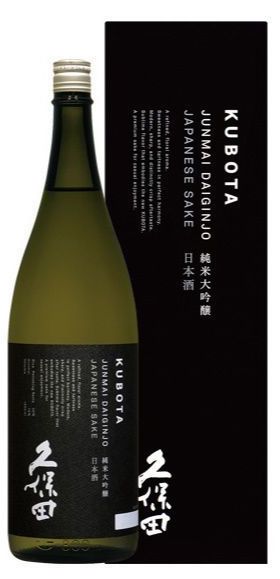

The platter features three types of fermented pork: Sai Krok Isaan, a sausage popular in Western Thailand; Naem, a Thai sausage; and Naem Si Khrong Mu, pork ribs. Served with herbs, vegetables, green chilies, and coconut, and accompanied by a small dish of Shiokara Yamu, salted seafood. The combination offers enticing herbal aromas and the tang of fermentation. Mr. Sato noted that the sweetness of KUBOTA JUNMAI DAIGINJO and KUBOTA SPARKLING complements the strong flavors of lemongrass and herbs. A British sake lover commented, "The sweetness and fizziness calmed down the spicy mess of the food," while a British wine enthusiast remarked, "Coconut and chili made the sake taste better!" Both rated it their best match.
2.Ho Mok Pla
(Tomato Meat Sauce Dip / Spicy Shrimp Miso Dip / Spicy Fish Dip)

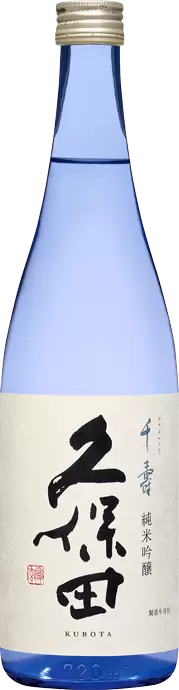
Ho Mok Pla is a Thai steamed curry fish custard. The dips—Nam Prik Ong (tomato and meat), Nam Prik Gapi (spicy shrimp miso), and Nam Prik Pla (spicy fish)—are served with warm vegetables. A French wine aficionado considered these the best-balanced pairings. Mr. Sato notes, "KUBOTA SENIYU JUNMAI GINJO, with its fruity aroma and slight acidity, is a great match for both dishes. The spiciness pairs well with a light, dry sake."

3.Naem Kruk

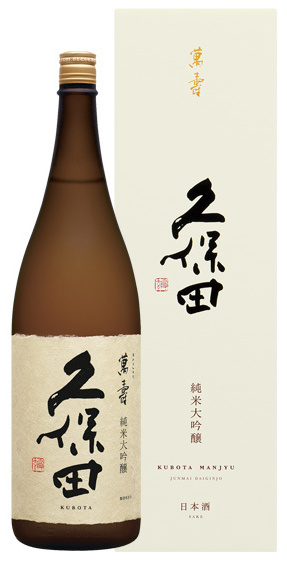
Deep-fried rice, eggs and a curry-flavored fermented pork sausage filling are wrapped around fresh leafy greens and eaten by hand. According to Mr. Sato, "It's a dish that incorporates sweet, spicy, and sour elements, all of which KUBOTA MANJYU emblaces. KUBOTA MANJYU blends rich and aromatic sakes, making it a versatile choice." A wine-loving guest from Mexico deemed this pairing the perfect balance.
4.Gai Yang and Kor Moo Yang (Thai Grilled Chicken and Grilled Pork Neck)


This plate features Thailand's iconic Gai Yang, grilled chicken, and Kor Moo Yang, grilled pork neck. Mr. Sato offers his insights: "KUBOTA HEKIYU, brewed using the Yamahai method, boasts a profound umami flavor. It can also be enjoyed at room temperature or gently warmed, maintaining its robust flavor, which pairs excellently with the rich, fatty profiles of these meat dishes. Strongly flavored foods are best matched with sake of similar intensity." An American enthusiast agreed and noted, "The full flavor of the meat was very good with the full flavor of the sake," while a British guest echoed, "The taste of the sake complimented the dish perfectly."
5.Pork Spare Rib Soup + Kao Kluk Gapi ( Pork Spare Rib soup + Shrimp Paste Rice )


Kao Kluk Gapi, a fried rice dish flavored with fermented shrimp paste, is a popular choice for Thai lunches. Topped with shredded omelet, cilantro, Naem, shrimp, mango, and onions, it's a visually vibrant dish that's mixed together as you like before eating. The side dish includes a rich-umami soup infused with the aroma of herbs in a pork bone broth, featuring tender, slow-cooked meat. Mr. Sato paired this dish with KUBOTA KOUJYU. "Kao Kluk Gapi has a wide range of flavors—aromatic, sweet, and spicy. KUBOTA KOUJYU, with its Ginjo fragrance, sweetness, and acidity, is a well-balanced sake that pairs well with various dishes, capturing all the elements. Additionally, its fruity aroma complements the herbs perfectly," explained Mr. Sato. Supporting his explanation, many eclectic drinkers praised the pairing as the best.
6.Hot Tapioca Coconut

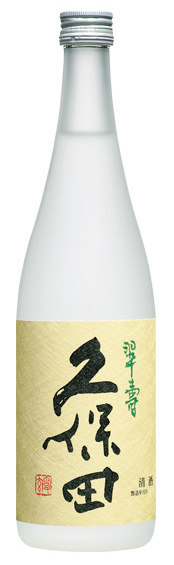
A warm dessert filled with plenty of tapioca in coconut milk. Mr. Sato paired it with well-chilled KUBOTA SUIJYU, explaining, " KUBOTA SUIJYU is unpasteurized sake, making it naturally sweet and fresh. My idea is to pair it with a drink that has a gentle sweetness and slight acidity to complement the sweetness of the tapioca and the rich aroma of coconut." A guest from the Philippines agreed wholeheartedly, calling it a "perfect combination" and finishing their dinner with great satisfaction.

Mr. Aoyagi, a licensed architect and Thai culture enthusiast, founded Mae Ping five years ago out of his passion for authentic Thai cuisine. His frequent trips to Thailand inspired him to recreate its genuine flavors, leading him to meet Chef Pee Kao from Ayutthaya, who served as head chef at the upscale Thai restaurant, Celadon for over a decade. His wife Nung from Chiang Mai manages the restaurant, so he is not often at the store, but you would be lucky if you could meet him.
Mae Ping
1-9-9, 102, Monzennakacho,Koto-ku, Tokyo
TEL 03 6381 8499
Instagram @maeping555

Owner of Mae Ping, Licensed Architect
After spending his childhood in the United States, he worked in the import and export trade for Japan's largest liquor wholesaler. He promoted sake in places like New York and Los Angeles, becoming well-versed in the alcohol markets abroad. He spent five years in Bangkok, Thailand, expanding his interest in Asian cuisine and gaining a deeper appreciation for sake's versatility with global cuisines. Upon returning to Japan, he acquired various certifications, including Sake Expert and trade-related qualifications.

CEO of Over Boost, Board member of
the Japan Gastronomy Association
Assessor, Shochu Sommelier and Quality
Assessor, and SAKE DIPLOMA certified by the
Japan Sommelier Association


 EN
EN