
Cantonese Cuisine and Sake Experience

at Ryujo in Ueno, Tokyo
Is the combination of Cantonese dishes and sake surprising to you? We had the opportunity to challenge preconceptions - enjoying food and drink while sharing impressions.
Cantonese cuisine primarily refers to the food consumed in Guangdong Province, Hong Kong, and Macau in southern China. Nevertheless, it has a significant presence in Japan and is widely loved. One example is the popular restaurant Ryujo in Ueno, where 90% of the customers are Japanese, and many are repeat visitors.


Interestingly, many Chinese restaurants in Japan are affectionately referred to as "Continental Chinese restaurants" by food enthusiasts. These establishments are defined by offering Japanese-style Chinese cuisine prepared by authentic Chinese chefs.
Ryujo is also consciously tailored to Japanese tastes. The owner-chef, originally from China, Mr. Liu Chunping, has been cooking Cantonese cuisine in Japan for nearly four decades.


He states, "The art of Cantonese cuisine lies in mixing, steaming, and boiling. While there are many types of Chinese cuisine, Cantonese is fundamentally a cuisine that brings out the flavors of the ingredients themselves. The climate in Japan is similar to that in Guangdong, which may be reflected in the concept of both cuisines.”
At this event a guest from Hong Kong left a persuasive remark about matching Cantonese dishes and sake: “It surprised me that sake seemed like to be able to pair with anything. Maybe because it is made of rice, so many Asian cuisine seems to pair well with the rice tastes.” An eclectic drinker from Singapore discovered and left a positive remark: “It’s my first time having sake with Chinese food and I think it really works!”


Besides, the chef adds, “Vegetables play a significant role in Cantonese cuisine. We use a lot of vegetables in our dishes, blending them with meat and seafood to enhance their flavors. For example, even though stir-fry lever and garlic chives is not a Cantonese dish, it is a staple in Chinese restaurants in Japan, so we regularly offer it on our menu.”
The versatility of the crisp, clean, and dry Kubota sake was also favorably evaluated at this event. A sake lover from the U.K. commented, “It was a variety of tastes and seasonings with a range of sake types so it was interesting to pair them.” A German guest said, “Sake has a lot of variety and fits well with good food.” A guest from Colombia said, “First time trying Cantonese food and with amazing sake on top. I get more and more into sake thanks to Kubota.”


The chef shared an interesting fact, "In China, we commonly use the chant 'banzai (万歳)’ at celebrations. It originates from an ancient Chinese expression to pray to wish the emperor a long life. KUBOTA MANJYU also contains the character '萬’ (the old character form of '万’), making it a popular celebratory sake at banquets and important gatherings. Its delightful taste and auspicious name add to its appeal."
Here is the full story.
1. Assorted Five Appetizers

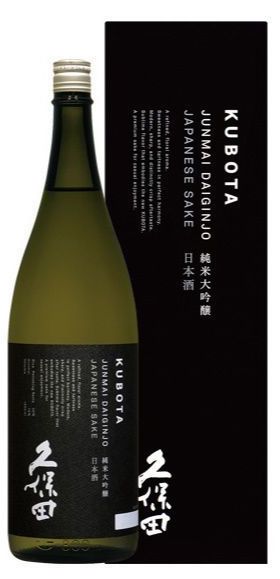
The first dish served was an entrée of five different cold appetizers. Cantonese-style of barbecued pork, Char Siu on the top left is one of the restaurant’s most popular menus. Jellyfish salad, steamed chicken, century egg, tomato and herb, and cucumber salad were aligned on the same plate. While a guest from Indonesia noted, “The sake and cucumber is the most perfect combination,” another Indian guest enjoyed overall matchings and said, “Good combination with different types of food.” Another Indonesian guest favored KUBOTA JUNMAI DAIGINJO itself as well as the pairing, commenting, “The flavor from both food and drink complements each other, it doesn’t overpower or anything.”
2. Chili Shrimp


Chili shrimp featured a Cantonese-style arrangement with moderate spiciness. The chef chose to pair KUBOTA HYAKUJYU, which has an assertive flavor, to meet the strongly flavored dish. A guest from the U.S. seemed to sense his intention and commented, “The spiciness of the shrimp brought out nice flavors in the sake and vice versa.” A sake lover from Switzerland enjoyed the pair most and left the remark, “Best sake pairing, the flavors were really resonating!”
3. Sweet and Sour Pork

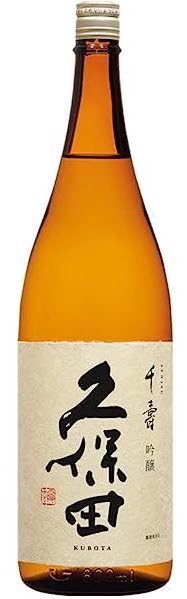
The course featured sweet-and-sour pork, a staple of Cantonese cuisine seasoned with black vinegar. The chef paired it with KUBOTA SENJYU GINJO, which he felt matched the flavor of the pork. A diverse drinker from the U.S. caught similar to his idea and said, “The simple sake with the strong flavor meat was very delicious.” A sake lover from the U.K. commented, “The dryness of the Sake cut through the richness of the sauce.” A Singaporean guest enjoyed the pairing and said, “The sake goes really well with the deep flavors.”
4. Three Dim Sum

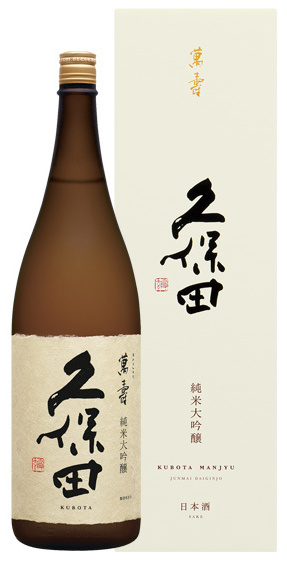
Dim Sum has always been spotlighted in Cantonese cuisine. Today’s actors were a shrimp dumpling, a chive dumpling, and a pork siu mai. "The chewy steamed skin made from a mixture of wheat and rice flours and the salty filling go well with KUBOTA MANJYU,” the chef said. It seemed many guests agreed with that opinion. The guest from Hong Kong remarked, “KUBOTA MANJYU is rich in taste yet light enough to keep the dish taste. When combined, they perfect each other’s taste with new flavors.” Meanwhile, a guest from Switzerland praised, "The sake goes well with the umami flavor, both meal and drink enhance each other very well,” and seemed to thoroughly enjoy it.
5. Stir-Fried Seasonal Vegetables and Fried Rice

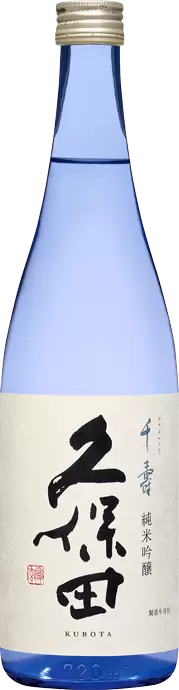
The chef paired KUBOTA SENJYU JUNMAI GINJO with a set meal featuring stir-fried vegetables—bok choy, wood year mushrooms, bamboo shoots, and carrots—along with their signature Char Siu and lettuce fried rice. "The rich garlic flavor in the stir-fried vegetables complements the umami of KUBOTA SENJYU JUNMAI GINJO perfectly," the chef noted. A Japanese guest called this combination a "perfect match." The British sake connoisseur, appreciated the sake’s “acidity and umami,” while a Singaporean guest enjoyed “its earthy-tasting notes.”
6. Tapioka and Mango Dessert


Hong Kong, situated in the southern part of Guangdong province, is renowned for its desserts like mango pudding, tapioca coconut milk, and mango pomelo sago. These sweets have become beloved staples in Chinese cuisine, known for their fruity tartness, sweetness, creamy coconut milk, and chewy tapioca texture. This dessert shares the same appealing qualities. To match it, the chef chose Kubota Sparkling, a lightly sweet carbonated drink for a refreshing finish. The Hong Kong guest praised KUBOTA SPARKLING, saying, “It tastes so good as bubbly, and feels so good with dessert, sweets, and parties,” Similarly, a guest from Switzerland described it as “Very well balanced, festive, and elegant.”

Ryujo
3-39-5 Higashiueno, Taito-ku, Tokyo
TEL03 3834 7988
https://ryujo-uenohonten.foodre.jp/
Born in Zhejiang province, he has been based in Japan since 1985, where he gained experience cooking Cantonese cuisine.
The Ryujo was originally located in Akasaka and moved to Ueno 6 years ago. Four former chefs from traditional Chinese restaurants came together for Ryujo in Ueno to offer a variety of Cantonese cuisine.

Liu Chunping
Owner Chef of Ryujo


 EN
EN