
Shaghai Cuisine and Sake Experience

at Saraien in Ueno, TOKYO
Known for dishes like Xiaolongbao, dishes using fresh seafood and black vinegar as ingredients, Shanghai cuisine is known for natural flavors, ideal for sake pairing. Yet, few have tried it. So why not experience that?
Shanghai cuisine comes from the eastern region of China, centered around Shanghai. This area is rich in seafood and freshwater fish due to the Yangtze River, numerous lakes, and proximity to the East China Sea. The Shanghai crab, often steamed or boiled, is well-known.


The region's warm climate supports extensive rice farming, leading to many dishes that pair well with rice. The cuisine is characterized by a sweet and savory flavor, often using soy sauce and black vinegar.
Additionally, the eastern part of China has a climate and culinary traditions that resemble those of Japan. Consequently, it is logical to assume that Shanghai cuisine would pair well with sake, which is made from rice.


"Shanghai cuisine is mild, light, slightly sweet, and rich in umami. The flavors are balanced, making it a great match with sake," asserts the owner, Ms. Yoshida, with confidence. She started Sairaien in Yushima 25 years ago, aiming to provide authentic Chinese flavors, now relocated to Ueno. The menu focuses on authentic Shanghai cuisine made with carefully selected ingredients and by an authentic Shanghainese chef, as well as dishes tailored to the Japanese palate. Besides that, Ms. Yoshida also runs the vegan-only Chinese restaurant Joga in Omotesando.


Many guests had never experienced pairing Shanghai cuisine with sake before. An American guest who is a whiskey enthusiast remarked, "I have never tried Chinese cuisine with sake before, but it was nice." A wine-loving guest from Sri Lanka expressed, "I didn’t know the combination of Japanese sake and Chinese food would be this delicious," showing their positive first experience.


A French guest who just moved to Japan commented, "Nice combination of food and sake, like wine." A Ugandan guest living in Japan for over a decade was surprised, saying, "It changed my impression of the tasting." A British visitor to Japan, who typically drinks wine, noted, "Sake pairs with different cuisines and can be very complex," providing an insightful comment.
Here is the full story.
1.Assorted 3 Appetizers


The three appetizers—salted dried tofu, cucumber with garlic, and lean char siu—had light seasoning, complementing the light KUBOTA KOUJYU perfectly. This pairing received praise from several people. An Umeshu-loving French guest expressed special admiration, saying, "It was actually a very surprising pair! I really enjoyed it."
2.Stir-fried Shrimp and Eggs

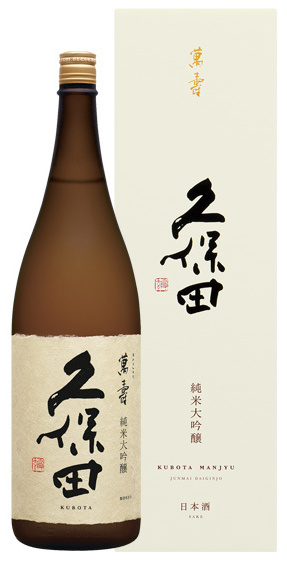
The fluffy egg and shrimp dish is lightly salted for a smooth, mild flavor. KUBOTA MANJYU, with a complex flavor that flawlessly balances umami, sweetness, and tartness, was paired with it to bring out the natural umami of the ingredients. A wine enthusiast who just moved from Australia especially enjoyed it, noting, "It went so well with the oily eggs."
3.Black Pork with Black Vinegar Sauce


The tender black pork loin, made even more tender with black vinegar, is one of the restaurant's most popular dishes. Black vinegar and sweet vinegar are commonly used in Shanghai cuisine. The rich-flavored KUBOTA HEKIJYU in traditional Yamahai style paired excellently with the robust black vinegar taste, making it the top choice among guests. An American sake enthusiast praised it, saying, "The rich flavor of the pork went very well with the full taste of the sake. They both added a lot of flavor without overpowering each other." Similarly, a sake lover from Hong Kong remarked, "The black pork is really delicious and enhances the deeper taste of KUBOTA HEKIJYU."
4.Original Dim Sum

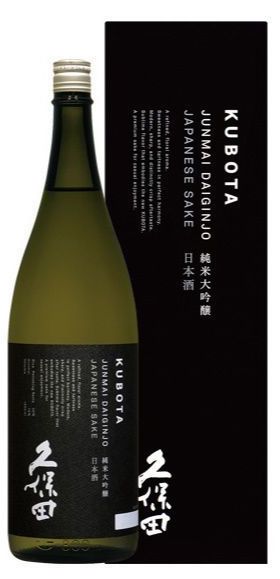
Dim Sum featuring Xiaolongbao, boiled dumplings, and pan-fried dumplings. Xiaolongbao, which originated in Shanghai, is celebrated for its delicious pork soup sealed within the delicate skin. While boiled dumplings are widely enjoyed across China, pan-fried dumplings are more popular in Japan. Well-balanced KUBOTA JUNMAI DAIGINJO with an elegant aroma was paired with the trio. A Spanish guest who favors KUBOTA SPARKLING commented, "Even though it was not my favorite sake, the combination of flavors was the best out of all of them," praising the excellent pairing.
5.Almond Jelly


Shanghai-style almond jelly, made with condensed milk, offers a rich and intensely sweet flavor. The crisp KUBOTA SPARKLING was paired with the dessert for a refreshing contrast. A wine-loving guest from the UK, traveling in Japan, chose KUBOTA SPARKLING as her favorite sake and praised the pairing, saying, "The sweetness together, creaminess was good with the bubbles."

Sairaien
2-9-6, Yamato Bldg 1&2 Floor, Ueno, Taito-ku, Tokyo
TEL 050 5461 1632
https://www.honkakuchuuka-sairaien.jp
Instagram @uenosairaien
Born in Shanghai, she came to Japan in 1991 to pursue studies. Driven by a desire to share authentic Shanghai cuisine, she opened Sairaien, a genuine Chinese restaurant, on Ueno Nakadori in Tokyo in 1999. The kitchen at Sairaien is led by a Shanghai-born chef with 20 years in Japan, supported by a Sichuan cuisine chef and a Dim Sum specialist. After her father's passing in 2020, she began studying Buddhism and transitioned to a vegetarian lifestyle. In June 2022, she opened her second restaurant, Vegan Veggie Joga, in Minami Aoyama, Tokyo.

Miyuki Yoshida
Owner of Sairaien, Vegan Veggie Joga
www.joga.tokyo
instagram @vegan.veggie.joga


 EN
EN