
Beijing Cuisine and Sake Experience

at Tentsu Saikan in Tennoz Isle, TOKYO
A sunny weekend afternoon, a leisurely brunch pairing on an open terrace with a view of the river. Savor Beijing cuisine and raise a sake toast while enjoying the Tokyo Bay area. Relax, sharpen your senses, and countless discoveries will come into view.
In Beijing, the refined imperial cuisine once enjoyed by Chinese nobility has been meticulously maintained. On the other hand, when regional officials traveled to the capital, they brought their local chefs, introducing distinctive regional flavors and contributing to the unique evolution of Beijing cuisine. Consequently, Beijing cuisine combines rustic dishes’ charm with the imperial fare’s sophistication.


In addition, given Beijing's northern location and harsh winters, its cuisine includes hearty meat dishes like Peking duck and lamb, rich in high-quality protein, to build strength and withstand the cold.
Tentsu Saikan, translating to 'emperor's kitchen', is a well-known Beijing cuisine restaurant that started in Taipei. It arrived in Japan in 1971 and now has four branches in Tokyo. With many years of experience, Tentsu Saikan is based on traditional flavors, but with a milder taste to suit the Japanese palate. "By incorporating fresh local vegetables and seafood, we create a familiar and approachable taste. For example, we use more sweet bean paste (Tianmianjiang) instead of spicy ingredients like Doubanjiang or chili peppers," the chef says.


He explained: "Interest in Japanese sake has been rapidly growing in China in recent years. Particularly in urban areas and among the younger generation, there is a heightened fascination with the appeal of Japanese sake. This trend is influenced by the rising popularity of Japanese cuisine and lifestyle in China. Since Kubota sake cannot yet be imported into China, it remains relatively unknown. However, it has indeed gained popularity among a select group of enthusiasts."


A Chinese guest who has lived in Japan for more than 15 years seemed to discover a new experience. He remarked, "It was the first time for me to drink sake with Chinese food, but it exceeded my expectations."


Furthermore, an American guest who started to live in Japan a couple of years ago gave this fresh impression: “I think sake is a very misunderstood drink and the world doesn't understand how it pairs with food. I really enjoyed this experience and am looking forward to trying Kubota sake with other food.” Another guest from the U.S. traveling around Japan remarked: “I now know sake is good with different foods.” Even a Whiskey-loving guest from Canada said; “Well, I am mostly a drinker of whisky from Scotland, but after today, I thought maybe I could have Nihonshu at home sometimes.”
Here is the full story.
1. Assorted Appetizers


The appetizers feature chicken seasoned with green onions and sesame oil, accompanied by a marinated summer vegetable dish with the tanginess of tomatoes. To enhance the refreshing quality of the appetizers, we selected KUBOTA KOUJYU, known for its refreshing aroma. Our guest from Hong Kong, who enjoys eclectic drinking, favored this pairing the most and praised it by saying, "The chicken dish matches with KUBOTA KOUJYU a lot. It rebrings a different level of taste of white meat."
2. Shrimp and Scallops with Chili Sauce

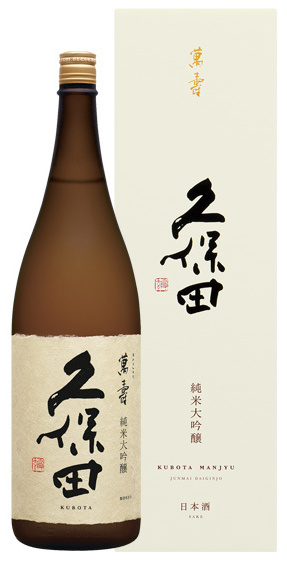
Tentsu Saikan’s original chili sauce with large shrimp and scallops, along with pineapple, offers a balance of mild spiciness and pronounced sweetness. The chef recommends pairing it with the fragrant and substantial taste of KUBOTA MANJYU. The American guest enjoyed this pairing, noting, "The sweetness of the shrimp and scallops with the smooth flavor of the sake went perfect together."
3. Twice-cooked Pork

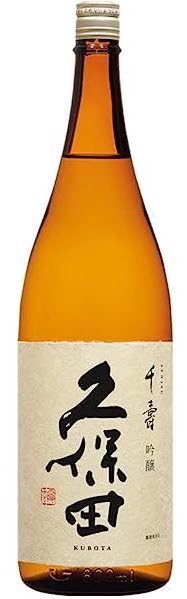
Twice-Cooked Pork, one of the most typical Sichuan dishes, is a staple of Chinese cuisine. Large pieces of pork, gently seasoned with a low spiciness, are juicy and succulent. "The crisp acidity of KUBOTA SENJYU GINJO enhances and balances the sweetness and intense flavors of the Twice-Cooked Pork,” explains the chef. The pairing was the most popular combination of the day. A whiskey-loving Canadian guest agreed with the chef, saying, "The KUBOTA SENJYU GINJO felt refreshing like enriched water, and supported the dish fantastically."
4. Original Dim Sum & Dandan Noodles

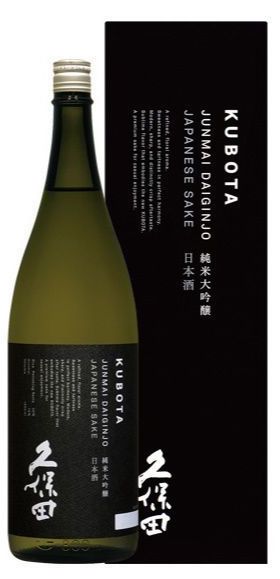
Favored by nearly half of today's guests, KUBOTA JUNMAI DAIGINJO proved to be extremely popular. A Canadian guest praised it, saying, "It possessed an atmosphere that was both uplifting and possessed an ambiance of incoming wealth." The chef affirmed this pairing, noting, "The sweet fragrance of KUBOTA JUNMAI DAIGINJO complements both the delicate Dim Sum and the flavorful Dandan Noodles."
5. Almond Jelly


KUBOTA SPARKLING has a refreshing aroma that pairs well with the rich sweetness of almond jelly, says the chef. It also has a crisp finish that cleanses the palate after the meal. The Chinese guest rated the pairing the best and left happily.

Tentsu Saikan
2-2-24, Tennoz Central Tower 2nd Floor, Higashi Shinagawa, Shinagawa-ku, Tokyo
TEL 050 5462 1888
https://tentsutennouzu.owst.jp/
Tentsu Saikan has branchs in Ginza, Shibuya, Shinjuku, and Tennnoz Isle. Fresh ingredients are sourced from Toyosu every morning, allowing diners to fully enjoy the rich flavor of the natural ingredients. The restaurant in Tennozu Isle is located two minutes from the Tennozu Isle station. You can enjoy authentic Chinese cuisine with a view of Tokyo Bay and the seasonal scenery.


 EN
EN