
South Indian Cuisine and Sake Experience

at KONTACTO EAST STUDIO in Nishiazabu, TOKYO
The momentum of Japan's Indian curry boom remains relentless. One often hears people say, "Sake goes well with cuisines with a variety of spices.” So we spotlighted the mastery of spice usage in Indian cuisine for a new flavor exploration.


Taking center stage in the kitchen is the popular duo Masalawala ensuring an enjoyable culinary adventure. The 2 Indophiles are known as the evangelists of kaleidoscopic Indian culture through their food, dance, music, and art with their broad knowledge and hands-on experience in various parts of India.
South Indian curry is typically served in a set meal style called "Meals." The balanced flavors are achieved by mixing while eating. Every bite introduces a different spice-rich element, creating a varied connection with sake.


Masalawala put it this way, “Despite the perception that alcohol isn't widely embraced in India, there are distinctive drinks like coconut and cashew nut spirits. In fact, some ethnic minorities in India are fond of drinking rice wine. Their food is spicy and salty, which matches well with the rice liquor's sweetness. You may also find lively hidden bars in the back of liquor stores. We've crafted a menu inspired by dishes traditionally enjoyed with alcohol in Tamil Nadu, the southern tip of India.”


Consequently, one guest commented, “There is a bigger variety of flavors than I thought”, while another was even more encouraging saying “I got more of an idea of the possible flavors.”


KONTACTO EAST STUDIO is located in Nishiazabu, a neighborhood next to Roppongi that is home to many hideaway restaurants and bars favored by connoisseurs. Its kitchen/studio is a boutique liquor store that also regularly hosts workshops on international cuisine and unique crafts. Masarawala’s South Indian cooking classes are always packed to capacity. Early booking is advised.
Let’s dive into the test journey.
The First Plate

1. Chicken Uppu Kari
(Rich, dry curry with chicken)

Masalawala explained, "As Upu means salt, this chicken dish is highly spicy and salty. The refreshing carbonation cuts through the spiciness and oil." The KUBOTA SPARKLING seemed to be the right choice to accompany the dish. One said, “A combination of spice goes well with sweater and fresh sparkling sake”
2. Meen Varuval
(South Indian style fried fish)
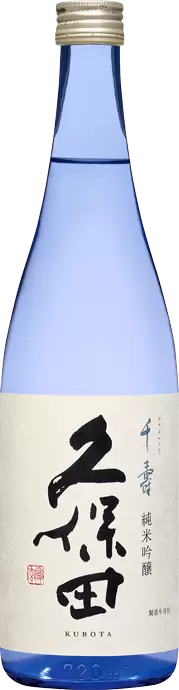
The most favored combination on this day was the fried fish with Senju Junmai Ginjo. "In South India, it's a staple fried fish, and for today, we went with Barracuda. The batter features chickpea flour, Besan, seasoned with turmeric, chili, garlic, ginger, and a squeeze of lemon juice," shares Masalawala. Fried dishes are widely recommended to pair with KUBOTA SENJYU JUNMAI GINJO, and this serves as a notable example. A guest from England, who has an eclectic preference for alcohol, praised, "The fish was a fantastic new experience and worked well with the KUBOTA SENJYU JUNMAI GINJO as a first experience."
The Second Plate

3. Chettinad Potato Roast
(South Indian style roast potato)
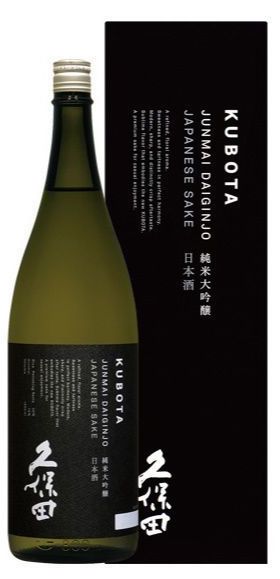
“Potatoes are a staple in Indian cuisine, but this is a dish unique to the Chettinad region that has a particularly strong aroma among potato roasts. We used mustard, cardamom, cloves, cinnamon, and kalpasi (moss). Chettinad cuisine elevates its flavors with a generous array of spices, resulting in a bold and robust taste.” To complement the hearty aromas, we paired it with the intensely fragrant KUBOTA JUNMAI DAIGINJO, creating a harmonious blend of scents. A guest, originally from India and recently moved to Japan, expressed a keen fondness for the potato dishes. He also shared his insight, suggesting that "Kubota Sparkling is also a great match," providing us with inspiration for trying out different combinations.
4. Meen Kuzhambu
(Fish and coconut curry)

“Meen Kuzhambu, a fish coconut curry, has a relatively liquid consistency with a distinct tamarind tang. The bold acidity and spiciness, combined with the fish broth, are complemented by the subtle acidity of lemon rice, harmonizing perfectly with the accompanying potatoes. It’s a substantial volume. However, its refreshing acidity makes it a perfect meal to conclude with while enjoying a drink. We were confident that a fish broth-based dish would pair perfectly with Japanese sake. The fish is a freshwater fish of the catfish family called Pangasius, a white fish eaten in Thailand and Vietnam. The name is probably unfamiliar, but this fish is actually often used as a fried white fish in the restaurant industry and is something you all eat often. KUBOTA HEKIJYU is crafted with lactic acid, lending it a robust character. Since Indian cuisine's lassi also features lactic acid, we paired them based on this common element.” says Masalawala. Interestingly, another guest from India shared his progressive view, "Eating rice with Achaar (pickles) is more in harmony with KUBOTA HEKIJYU.”

KONTACTO EAST STUDIO
2-25-11 Nishiazabu, Minato-ku, Tokyo
https://kontacto.jp/
Instagram @kontactoeast
Masalawala is a well-loved Indian catering unit by Shinji Kashima and Hiroyoshi Takeda. They bring the flavors of India to various locations in Japan and beyond, operating without a fixed restaurant. They offer the offbeat and authentic experience of 'All-You-Can-Eat Meals' on banana leaves in South Indian dining settings and participate in activities like cooking classes, various events, and talk shows. Beyond just food, they showcase diverse talents, including playing Indian drums and performing Indian movie dances. Moreover, in exciting news, they have recently released the eagerly awaited “MASALAWALA SOUTH INDIAN COOKBOOK,” available on Amazon, Rakuten, and Tirakita


 EN
EN